This Week’s Highlights

This week, we capture 5 noteworthy events that encompass urban life, consumer trends, and cultural hotspots. We focus on events and their interconnections.
01
L’Oreal Acquires Kering Beauty for €4 Billion
Recently, one of the largest mergers in the beauty industry was completed. Global beauty giant L’Oreal Group announced it has acquired Kering Group’s beauty business for approximately €4 billion.
According to the agreement, L’Oreal gains the rights to operate the beauty businesses of brands such as Balenciaga, Bottega Veneta, and luxury fragrance brand Creed for the next 50 years. This means that the production and sales of these luxury brands’ future perfumes and skincare products will be fully managed by L’Oreal.
For Kering Group, selling its beauty business is a strategic asset adjustment to focus on its core operations. In recent years, Kering’s core fashion and leather goods business has seen slowed growth, putting pressure on overall revenue. The beauty business has limited scale, and further expansion would require significant investment in R&D, production, and channels. Through this transaction, Kering not only gains substantial cash flow, reducing financial burdens, but can also continue to earn stable income through brand licensing, allowing for more focused investment in high-end fashion, leather goods, and the burgeoning jewelry sector.
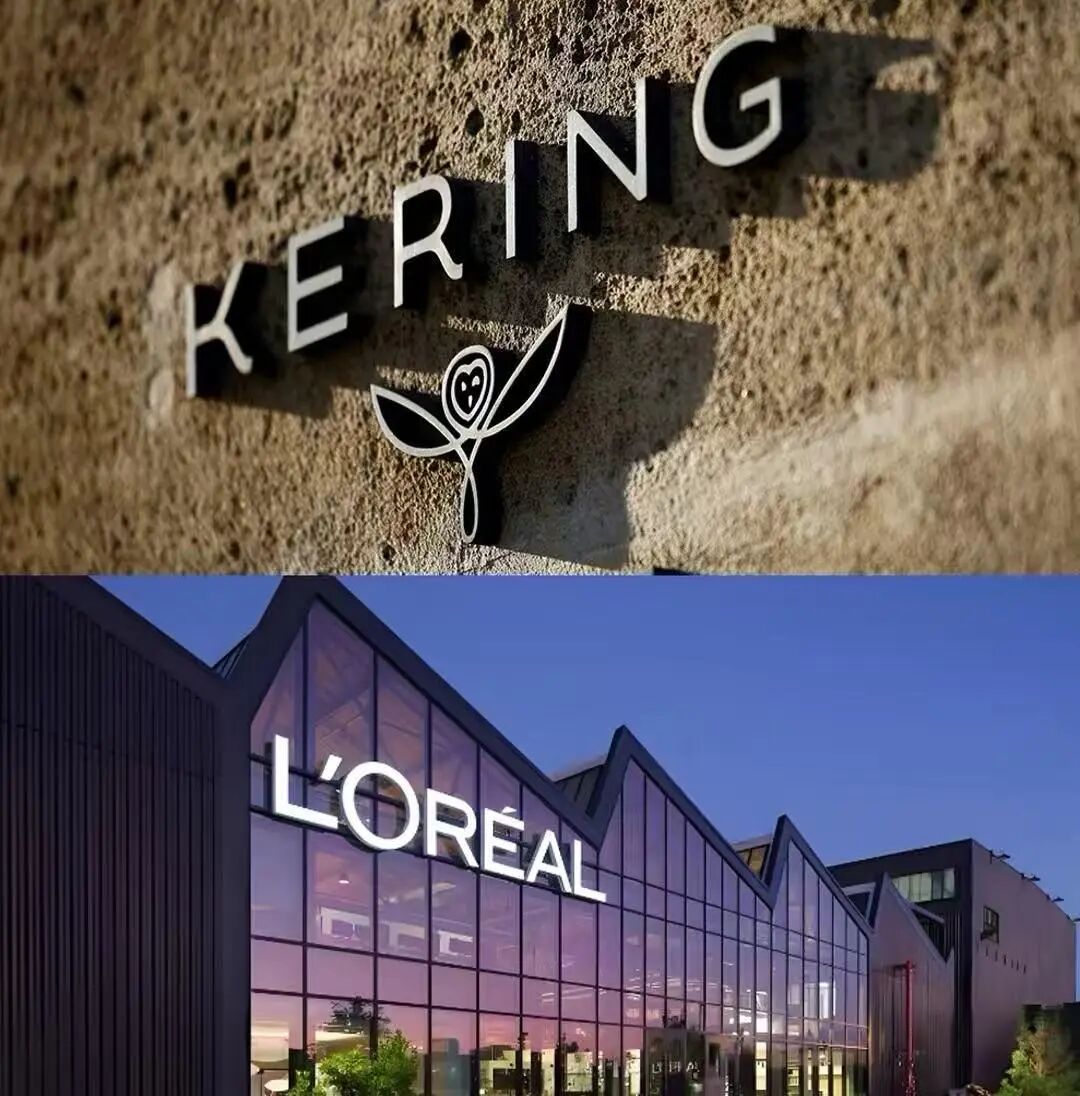
As a leader in the global beauty market, L’Oreal has significant advantages in supply chain, R&D, and channel networks, but it has always lacked a flagship brand in the high-end fragrance sector. The acquisition of Creed fills this gap, allowing L’Oreal to directly compete with Estee Lauder and LVMH’s fragrance businesses.

At the same time as selling its beauty division, Kering is also betting on the Chinese market. At its investor day in April, Kering announced a strategic partnership with ICICLE, a Chinese women’s fashion brand, and made a minority equity investment in its parent company, ICCF Group.
Founded in 1997 in Shanghai, ICICLE is a fashion brand rooted in Eastern philosophy. It currently has over 200 stores, with flagship locations in Beijing, Shanghai, and Paris. Market estimates suggest ICICLE’s sales will exceed 3.5 billion yuan by 2025.
02
The Latest Status Symbol for Urban Professionals: Claude
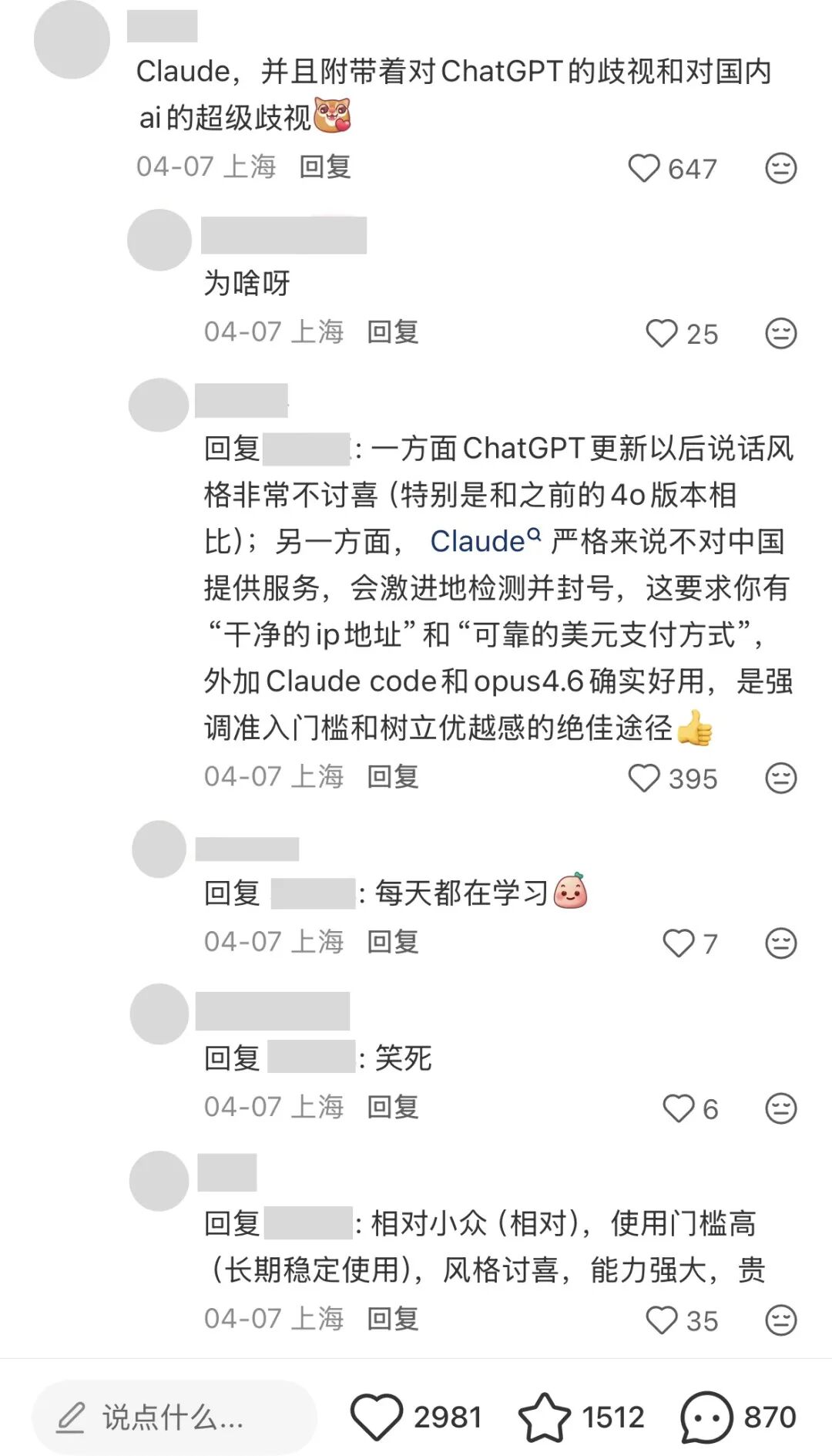
Recently, a popular blogger with over 5 million followers, G Monk Dong, initiated a discussion on Xiaohongshu about which brands are favored by Shanghai’s urban professionals this year.
Among the highly rated comments, besides luxury brands like Loro Piana and Ralph Lauren, the AI assistant Claude was also mentioned. Users explained: “Claude does not officially provide services in China and aggressively detects and bans accounts, requiring a ‘clean IP address’ and a ‘reliable dollar payment method’, making it an excellent way to emphasize exclusivity and superiority.”
Claude is an AI assistant developed by the American AI safety company Anthropic. Its name is said to be inspired by information theory pioneer Claude Shannon. Unlike ChatGPT’s “universal assistant” persona, Claude resembles a well-educated conversationalist—it has its own stance and will refuse requests while providing thorough explanations. Many users report that its responses lack flattery, are structured, and even carry a certain literary quality. This has helped it accumulate a loyal user base among creators and cultural workers.

At the beginning of the month, AI company WRITER and independent research firm Workplace Intelligence released their annual AI survey report, “Current State of AI Applications in Enterprises.” They surveyed 2,400 global employees and executives using AI at work.
64% of CEOs expressed concern that they might lose their jobs if they fail to lead their companies through successful AI transformations. Moreover, as many as 92% of executives admitted they are actively cultivating a new class of “AI elite” employees.
However, on the employee side, 29% admitted to undermining their company’s AI strategy, such as inputting company information into public tools, using unauthorized tools, or refusing to use AI.
This report depicts a workplace that is rapidly stratifying. The elimination race regarding AI usage has already begun.
03
Apple Welcomes Its First Engineer CEO
The Tim Cook Era is Coming to an End
On April 20, 2026, Apple announced a significant personnel appointment: current Senior Vice President of Hardware Engineering John Ternus will officially take over as the new CEO on September 1, succeeding Tim Cook, who will become Executive Chairman of the Board.
Ternus, who has spent 25 years growing within Apple, is a true “product person” whose entire career has been deeply tied to hardware development. From the early iMac and iPad to leading the transition of the Mac product line from Intel chips to Apple’s own Silicon, as well as key products like iPhone, AirPods, and Vision Pro, he has been a key engineering leader behind them.
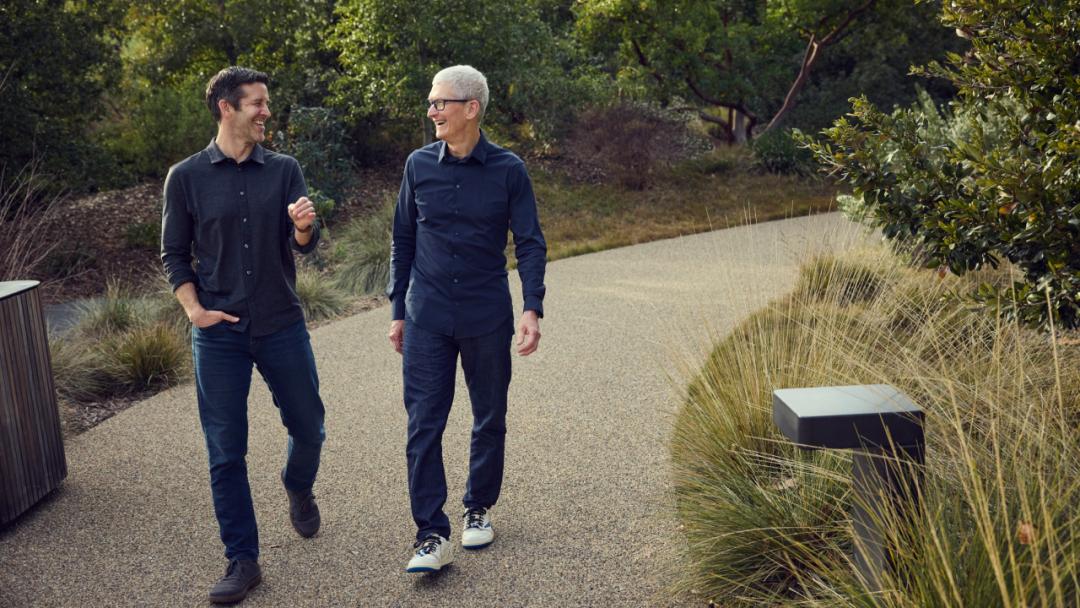
Choosing Ternus clearly indicates Apple’s strategic focus for the next phase. After Cook successfully transformed Apple into a business and supply chain giant, the company now faces challenges in the era of AI and spatial computing. Ternus’s task is to leverage his extensive hardware engineering experience to integrate AI capabilities more deeply into products.

Leadership changes have become a common answer for giants facing growth challenges. Lululemon also announced its new CEO: Heidi O’Neill, a former Nike executive.
O’Neill spent over 25 years at Nike, serving as President of Global Consumers, Products, and Brand. Her career is viewed as a textbook example of “scaled growth.” During her time at Nike, she helped the company grow from a $9 billion business to a $45 billion global brand.
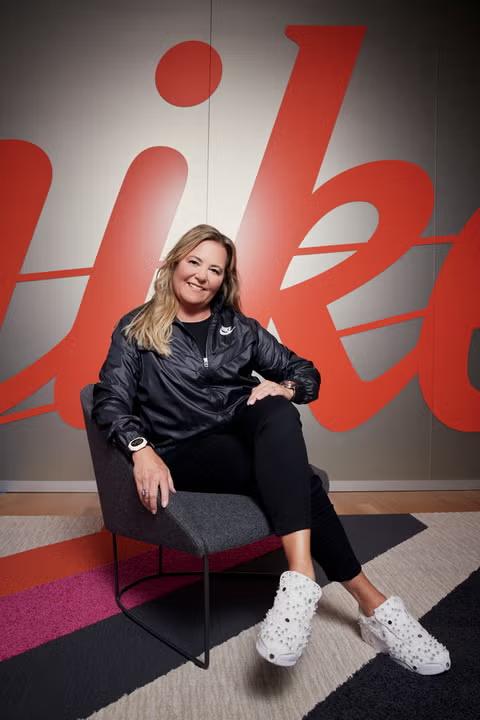
Lululemon’s choice of her is very clear: the brand is facing a similar predicament to Nike a few years ago, with declining product freshness and slowing growth, under pressure from emerging brands and giants. The board hopes to bring in Nike’s mature system capabilities, including more efficient product iteration rhythms, better-controlled global channel layouts, and a replicable growth model.
O’Neill stated that she would accelerate product breakthroughs and deepen global market expansion. However, the capital market remains cautious, as the company’s stock price fell following the announcement.
04
LVMH Reports 1% Organic Growth in Q1
Is Luxury No Longer Appealing?
On April 13, global luxury giant LVMH released its Q1 2026 financial report, showing sales of €19.1 billion, a 6% year-on-year decline, with organic growth of only 1%, significantly below market expectations.
Among these, the core fashion and leather goods division saw organic growth of -2%, becoming the main drag on the group’s performance. The direct impact of geopolitical conflicts on actual consumption is beginning to show, with sales in the Middle East declining in March. Although the watch and jewelry division achieved a substantial 7% growth driven by Bulgari and Tiffany, and the selective retail segment, including Sephora, performed steadily, these highlights were still insufficient to offset the weakness in core business.
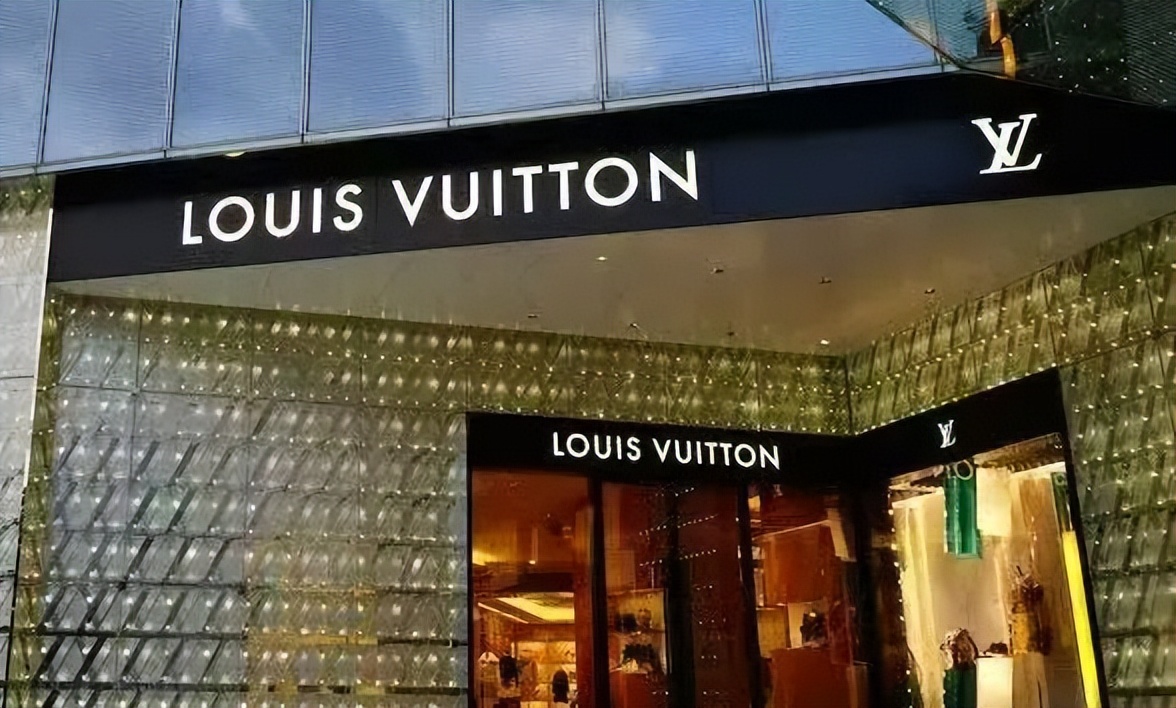
Performance varied significantly by region. The Asian market (excluding Japan) rebounded with a 7% growth, with local consumer spending in China described as “very solid growth.” However, this was not enough to fully compensate for the sluggish growth in Europe, Japan, and other markets. This financial report confirms the complex situation facing the industry: geopolitical factors and economic uncertainties are reshaping the global luxury consumption landscape.

Not only are giants experiencing growth slowdowns, but trendy brands are also quietly retreating.
The Korean designer brand Mardi Mercredi, known for its iconic daisy and dachshund patterns that went viral on social networks, is accelerating its exit from the Chinese market. The brand’s official flagship stores on Taobao and Douyin have quietly closed, and all product links have been removed, with stores even becoming unsearchable by keywords. The Chinese agent, Mando Ya, has renamed related accounts and cleared content, indicating a hasty withdrawal.
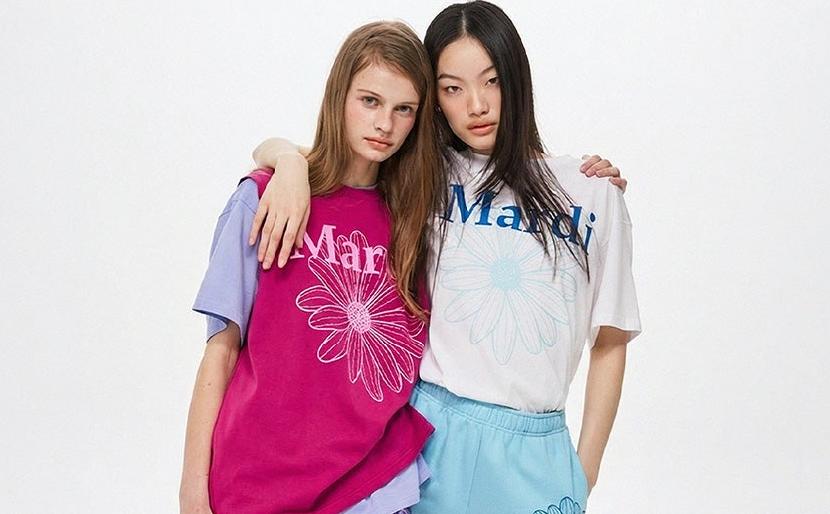
As early as the second half of last year, the brand’s offline stores began to close and clear inventory, and its mini-program mall has also ceased operations. Although the agent explained it as a “partial store operation adjustment” and redirected resources to new group brands, the sudden closure of all channels, especially the early termination of online flagship stores, reveals a sharp strategic turnaround.
Mardi Mercredi was once a typical success story of Korean fashion going global, quickly expanding to over 30 stores in China in 2022, leveraging celebrity influence and pricing under 1,000 yuan. However, the market has been flooded with counterfeit Mardi Mercredi products, and in recent years, imitation brands have opened multiple stores offline, which may be the fundamental reason undermining the brand’s value.
05
This “Treasure Grandma” Wins the Picture Book Oscars
On April 13, the International Hans Christian Andersen Award for Illustrators was announced, and 80-year-old Chinese picture book artist Cai Gao became the first Chinese creator to win this award in its 60-year history. This elderly artist from Changsha, who has never received formal art training, won the crown in the global children’s literature community.
She began full-time creation at a publishing house at the age of 36 and won her first award at 41 with “Seven Sisters.” When illustrating “The Story of the Peach Blossom Spring,” the most challenging part was drawing the peach blossoms. To capture the essence of “falling petals in abundance,” she spent four years, tearing up hundreds of drafts until her strokes flowed like clouds and water. Notably, “The Story of the Peach Blossom Spring” has also been included in Japanese elementary school textbooks.

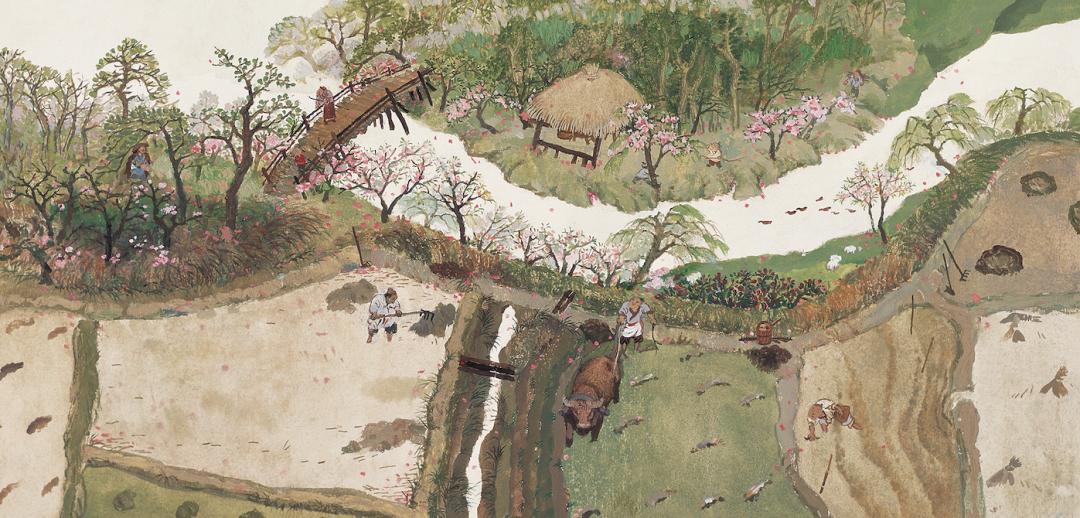
Cai Gao (top), “The Story of the Peach Blossom Spring” (bottom), image source: @International Andersen Award, Cai Gao
The chair of the jury for the International Andersen Award, Shelin Kreidi, stated during the award ceremony that Cai Gao’s works demonstrate exceptional quality, artistry, and emotional impact: “Her perspective on the world is incredibly beautiful, and her works will encourage children worldwide to learn about China.”

After this picture book grandma conquered the world with her brush, the wisdom of Chinese women also shines at the pinnacle of science.
On April 20, the Breakthrough Prize, known as the “Oscar of Science,” announced its 2026 award winners. This year, the spotlight is on three Chinese female mathematicians—Wang Hong, Tang Yunqing, and Zhang Mingjia—who all stood on the podium. Wang Hong and Tang Yunqing received the New Horizons in Mathematics Prize, while Zhang Mingjia received the Maryam Mirzakhani New Frontiers Prize, with each winner receiving a $3 million prize.
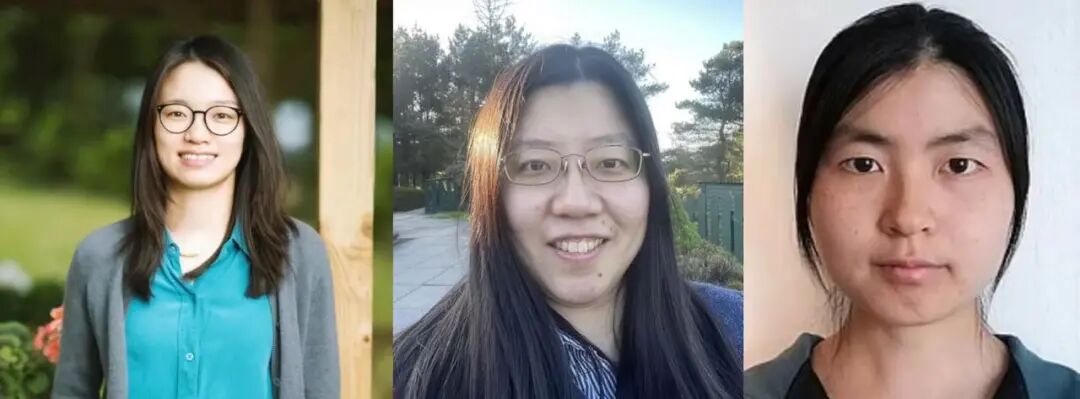
Wang Hong (left), Tang Yunqing (middle), Zhang Mingjia (right), image source: @Breakthrough Prize
This not only marks a highlight in their academic careers but also signifies that female researchers from the East are becoming an undeniable force at the forefront of basic sciences like mathematics.
END
Comments
Discussion is powered by Giscus (GitHub Discussions). Add
repo,repoID,category, andcategoryIDunder[params.comments.giscus]inhugo.tomlusing the values from the Giscus setup tool.